
Outdoor lighting plays an important role in how a home looks and functions after sunset. A well-planned setup helps homeowners navigate outdoor spaces and creates a more comfortable atmosphere in the evening. However, not every outdoor area needs the same type of illumination. A walkway requires a different approach from a backyard gathering space or swimming pool. Understanding the available fixture styles makes it easier to find suitable options for different parts of your property. Here are seven common outdoor lights worth exploring for your home.
Pathway Lights
Pathway lights guide people along outdoor walkways without overwhelming the surrounding area with excessive brightness. Their low-profile designs direct illumination toward the ground, helping define walking routes after dark. Homeowners often position these fixtures along garden paths or beside driveways to create a clear visual boundary.
Solar-powered models offer a convenient solution because they collect sunlight during the day and turn on automatically at night. Wired alternatives provide a steady light source for areas that need more consistent illumination. The available designs also range from understated stake lights to decorative lantern-style fixtures.
Looking through examples from https://kingsoutdoorlighting.com provides a useful reference for understanding how pathway lights fit into different outdoor layouts. These references also make it easier to recognize how fixture height and light direction influence the overall look of a walkway. Small design differences can help create a more cohesive outdoor setting.
Wall-Mounted Outdoor Lights
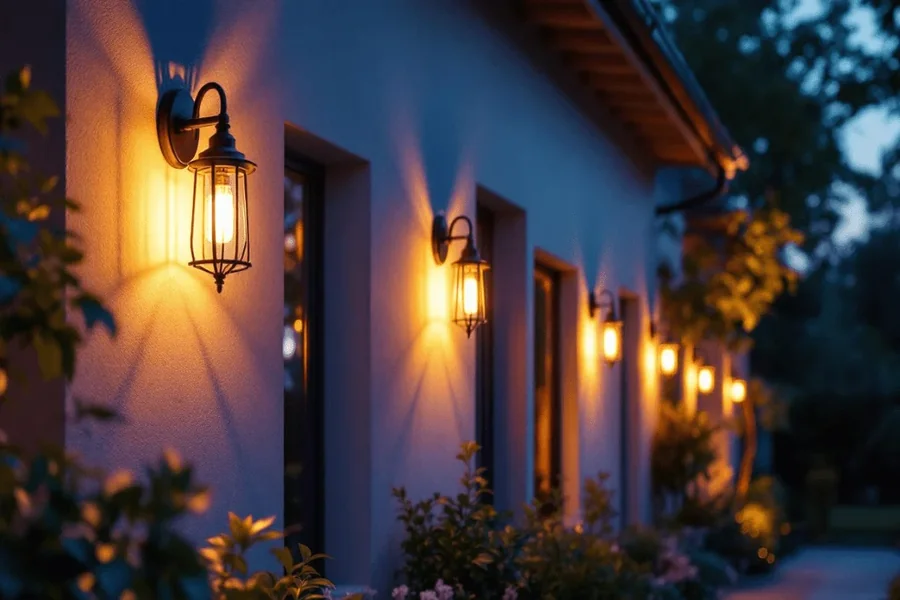
Once walkways have adequate illumination, exterior walls offer another opportunity to improve nighttime visibility. Wall-mounted lights work particularly well near front doors and garage entrances, where homeowners need reliable lighting when entering or leaving the property. These fixtures come in several styles, including traditional lanterns and contemporary sconces. Some models direct light downward, while others cast illumination in both upward and downward directions. The latter creates interesting patterns against exterior walls and adds visual depth to the home’s facade.
When selecting a fixture, look for a design that complements the home’s exterior rather than competing with its existing architectural features. A suitable outdoor rating also helps the fixture withstand regular exposure to changing weather conditions.
Floodlights
For areas that need broader coverage, floodlights offer a more powerful lighting solution. Their wide beams illuminate larger sections of a property, making them useful near garages and backyard entrances. Motion-sensor models provide another practical feature by activating when someone enters the detection area. This setup helps homeowners avoid leaving exterior lights running throughout the night.
Adjustable fixtures also allow users to direct the beam toward specific areas instead of illuminating unnecessary sections. LED floodlights provide strong brightness while consuming less electricity than many traditional alternatives. However, placement matters because poorly directed beams may create glare or disturb neighboring properties.
Landscape Spotlights
While floodlights cover wider spaces, landscape spotlights focus attention on individual outdoor features. Their concentrated beams help highlight trees and architectural details that might otherwise disappear into the darkness. For example, placing a spotlight near the base of a tree directs illumination upward and creates interesting shadows across its branches.
Homeowners also use these fixtures to emphasize textured walls or distinctive landscaping elements. Adjustable spotlight heads make it easier to change the direction of the beam as the garden develops. This approach adds visual interest without requiring bright lighting throughout the entire yard. A carefully positioned fixture often creates a more noticeable effect than several lights scattered without a clear purpose.
String Lights
Beyond highlighting individual features, some outdoor lighting works best when it creates a welcoming atmosphere. String lights serve this purpose particularly well on patios and covered seating areas. Their connected bulbs create a continuous line of illumination when homeowners hang them overhead or along supporting structures.
Larger globe-shaped bulbs provide a noticeable decorative effect, while smaller options create a softer glow. Many homeowners hang them above outdoor dining tables or seating areas to make evening gatherings feel more inviting. Their gentle illumination also helps define outdoor spaces without making them feel overly bright.
Weather-resistant models support outdoor use, provided homeowners follow the manufacturer’s installation guidelines. Before hanging string lights, check the available mounting points and use electrical connections rated for outdoor conditions. Proper installation helps keep the lights secure and suitable for regular outdoor use.
Deck and Step Lights
String lights help establish the mood in outdoor gathering spaces, but stairs and raised surfaces need a more practical lighting arrangement. Deck and step lights address this need by illuminating changes in elevation that people might overlook after dark. Homeowners often install compact fixtures along stair risers or beneath railing caps to create a subtle downward glow. Recessed models offer a neat appearance because they sit flush with the surrounding surface.
Some designs also feature built-in LED technology that provides long-lasting illumination without requiring bulky fixtures. Proper spacing helps define each step and makes the transition between different levels easier to see. This detail becomes particularly useful on elevated decks and outdoor staircases that receive frequent foot traffic.
Pool Lights
Swimming pools benefit from dedicated lighting that improves visibility and creates an inviting atmosphere after sunset. Underwater fixtures illuminate the water from within, giving the pool a distinct appearance during evening hours. LED options offer different brightness levels and color settings, allowing homeowners to create anything from a subtle glow to a more vibrant display. Some systems also include remote controls that make it easier to adjust the lighting to suit the occasion.
However, pool lighting requires careful attention to electrical safety because fixtures operate near water. Coordinating with experienced electrical contractors, like Zap’s Electrical LLC, helps ensure the installation meets the necessary safety requirements. Always use fixtures specifically designed for pool environments and leave electrical work to qualified professionals. Proper lighting placement also helps maintain consistent illumination throughout the swimming area.
Final Thoughts
The right outdoor lighting brings together practicality and visual appeal while making your property more enjoyable after sunset. Each fixture serves a different purpose, from guiding guests along walkways to highlighting your home’s exterior or illuminating a swimming pool. You do not need an elaborate setup to make a noticeable difference. Even a few well-placed lights can change how your outdoor spaces look and feel at night. Focus on lighting that complements your home’s layout and supports the activities you enjoy outside. With the right combination, your outdoor areas can remain welcoming and visually appealing long after the sun goes down.