
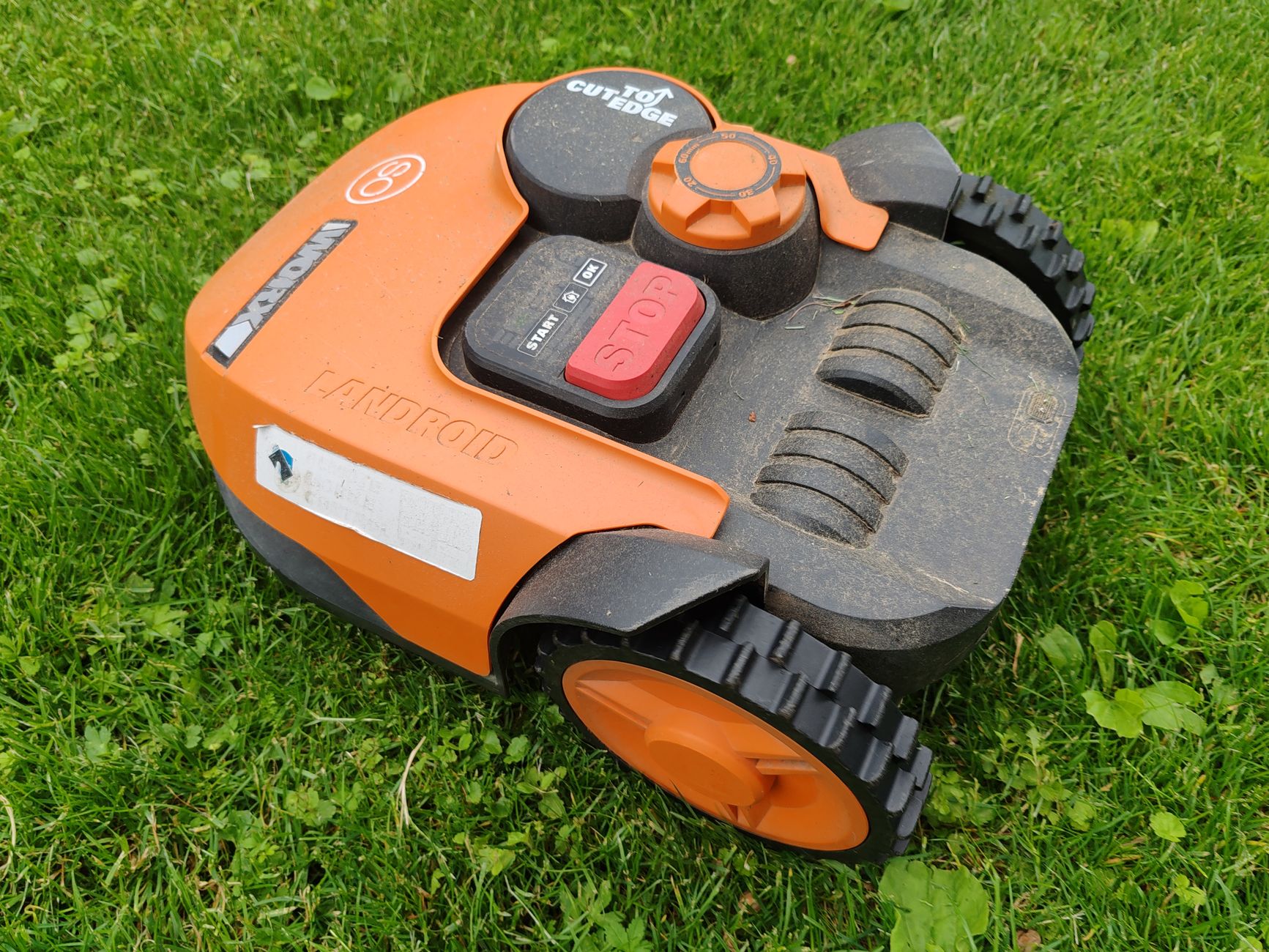
Maintaining a healthy and attractive lawn requires time, effort, and consistency. For many homeowners, mowing the grass every week can become a repetitive chore that takes away valuable free time. Fortunately, advances in smart home technology have introduced a solution that is changing the way people care for their yards. The best robot lawn mower can automatically cut grass, maintain a neat appearance, and reduce the amount of manual work required throughout the growing season.
Robot lawn mowers function similarly to robotic vacuum cleaners. Once installed and programmed, they navigate around a yard, trim grass regularly, and return to their charging stations when needed. These machines are becoming increasingly popular because they provide convenience, efficiency, and a consistently maintained lawn without requiring constant attention from the homeowner.
As more models enter the market, choosing the right robotic mower can seem challenging. Understanding how these devices work and what features matter most can help you make a confident buying decision and find a solution that fits your lawn care needs.
How Robot Lawn Mowers Work
Robot lawn mowers are designed to operate independently with minimal human involvement. After setup, the mower follows a programmed schedule and navigates through the lawn while trimming small amounts of grass on a regular basis.
Unlike traditional mowers that remove large portions of grass in a single session, robotic mowers cut frequently. This approach helps maintain a consistently neat appearance while returning tiny clippings to the soil, which can act as a natural fertilizer.
Many robotic mowers use boundary wires installed around the perimeter of the lawn. These wires create a virtual fence that keeps the machine within the designated area. Newer models may use GPS technology, cameras, sensors, or advanced mapping systems to navigate without extensive wiring.
Built-in sensors allow the mower to detect obstacles, change direction, and avoid collisions. Some models can even identify pathways, garden beds, and complex landscaping features.
When the battery begins to run low, the mower automatically returns to its charging station. After recharging, it resumes operation according to its schedule, ensuring continuous lawn maintenance with very little effort from the owner.
Benefits of Choosing the Best Robot Lawn Mower
One of the biggest advantages of robotic mowing technology is convenience. Homeowners no longer need to dedicate hours each week to pushing or riding a mower around the yard. The machine handles routine maintenance automatically, freeing up time for other activities.
Consistency is another major benefit. Since robotic mowers operate frequently, grass remains at an even height throughout the season. This regular trimming often results in a healthier and more attractive lawn compared to traditional mowing schedules.
Noise reduction is also a significant advantage. Most robotic mowers operate much more quietly than gas-powered lawn equipment. This allows them to run during various times of the day without causing major disturbances to neighbors or household members.
Environmental benefits make robotic mowers appealing as well. Most models use rechargeable batteries and produce no direct emissions during operation. Compared to gas-powered alternatives, they can contribute to a cleaner and more environmentally friendly lawn care routine.
Safety features have improved considerably in modern robotic mowers. Sensors can detect lifting, tilting, or unexpected obstacles, helping reduce the risk of accidents during operation.
These benefits have made robotic mowing technology increasingly attractive for homeowners seeking a smarter approach to lawn maintenance.
Important Features to Consider Before Buying
Not every robotic mower is designed for the same type of yard. Understanding the most important features can help narrow down your options and identify the right model for your property.
Lawn size is one of the first considerations. Different robotic mowers are designed to handle specific coverage areas. Choosing a model that matches your lawn size ensures efficient operation and better performance.
Battery life plays a critical role in overall effectiveness. Larger lawns typically require longer runtimes or faster charging capabilities. Evaluating battery specifications can help determine whether a mower can maintain your property efficiently.
Slope handling is another important factor. Some robotic mowers can navigate steep inclines with ease, while others perform best on relatively flat terrain. Homeowners with hilly yards should pay close attention to slope ratings.
Navigation technology varies significantly between models. Advanced systems often provide more efficient mowing patterns, better obstacle avoidance, and improved coverage of complex landscapes.
Smart connectivity features have become increasingly common. Many robotic mowers can be controlled through smartphone applications that allow users to adjust schedules, monitor performance, and receive maintenance alerts.
Weather resistance is also worth considering. Some models can continue operating in light rain, while others may automatically return to their charging stations when weather conditions change.
Evaluating these features carefully can help ensure that your chosen mower meets the specific requirements of your property.
Finding the Right Robot Mower for Different Yard Types
Every lawn presents unique challenges, and the ideal robotic mower depends heavily on the characteristics of the property.
Small residential yards often benefit from compact and affordable models. These mowers typically offer sufficient coverage while remaining easy to install and manage.
Medium-sized lawns may require machines with longer battery life and more advanced navigation capabilities. Features such as app control and programmable schedules become increasingly valuable as property size increases.
Large properties often demand premium robotic mowers capable of covering extensive areas efficiently. These models may include GPS-assisted navigation, advanced mapping systems, and enhanced battery performance.
Yards with numerous obstacles require strong obstacle detection systems. Trees, flower beds, pathways, and outdoor furniture can create navigation challenges that some models handle better than others.
Properties with multiple lawn sections may benefit from robotic mowers capable of managing separate zones. Advanced models can navigate between designated areas and maintain each section according to customized schedules.
Matching the mower's capabilities to the characteristics of the lawn is one of the most important steps in making a successful purchase.
Maintenance and Long-Term Ownership
Although robotic mowers significantly reduce lawn care labor, they still require occasional maintenance to remain effective.
Cleaning the mower regularly helps prevent grass buildup around the blades and wheels. Removing debris ensures optimal performance and extends the life of key components.
Blade replacement is another routine maintenance task. Sharp blades produce cleaner cuts, which contribute to healthier grass and a more attractive lawn. The frequency of blade replacement depends on usage and lawn conditions.
Battery care is also important for long-term reliability. Following manufacturer recommendations regarding charging and storage can help maximize battery lifespan.
Software updates may be necessary for models equipped with smart features. Manufacturers often release updates that improve navigation, security, and overall functionality.
Seasonal storage should be considered in regions with harsh winters. Properly storing the mower during periods of inactivity can protect sensitive components and ensure reliable performance when the mowing season returns.
Compared to traditional lawn equipment, maintenance requirements are generally lower, making robotic mowers an appealing option for busy homeowners.
Are Robot Lawn Mowers Worth the Investment?
The initial cost of a robotic mower is often higher than that of a traditional push mower. However, evaluating long-term value provides a more complete picture.
Time savings are one of the biggest advantages. Homeowners who spend hours each month mowing their lawns may find significant value in automating the process.
The consistent lawn appearance achieved through frequent trimming can also improve overall curb appeal. A well-maintained lawn often enhances the appearance of the entire property.
Reduced fuel costs represent another potential benefit. Since robotic mowers rely on rechargeable batteries, ongoing operating expenses are generally lower than those associated with gas-powered equipment.
Many users also appreciate the convenience of automated scheduling. The ability to maintain a lawn without constant supervision can significantly simplify yard care responsibilities.
For homeowners who prioritize convenience, efficiency, and modern technology, a robotic mower often provides excellent long-term value despite the higher initial purchase price.
Final Thought
Choosing the best robot lawn mower can transform the way you care for your yard. These innovative machines provide a convenient and efficient alternative to traditional mowing methods, helping homeowners maintain attractive lawns with minimal effort.
From small suburban properties to large and complex landscapes, robotic mowers are available in a wide range of configurations designed to meet different needs. Features such as smart navigation, app connectivity, obstacle detection, and automated scheduling continue to improve with each generation of products.
While the upfront investment may be higher than conventional lawn equipment, the long-term benefits often outweigh the initial cost. Reduced labor, consistent lawn maintenance, quieter operation, and environmental advantages make robotic mowers an increasingly popular choice among homeowners.
By carefully evaluating lawn size, terrain, desired features, and budget, you can find a robotic mower that delivers reliable performance and helps keep your lawn looking its best throughout the year.
FAQs
What is the best robot lawn mower for a small yard?
The best option depends on your lawn size, budget, and desired features, but many compact models are specifically designed for smaller residential properties.
Do robot lawn mowers work in the rain?
Some models can operate in light rain, while others automatically return to their charging stations when wet conditions are detected.
Can robotic mowers handle slopes?
Yes. Many robotic mowers are designed to handle slopes, although the maximum incline varies by model.
Are robot lawn mowers safe around pets and children?
Modern robotic mowers include safety sensors that help detect obstacles and stop the blades when the unit is lifted or tilted.
How often should a robot lawn mower run?
Most robotic mowers operate several times per week or even daily to maintain a consistent grass height.
Do robotic mowers collect grass clippings?
No. Most models use mulching techniques that leave fine grass clippings on the lawn to decompose naturally.
Are robot lawn mowers worth the money?
For many homeowners, the convenience, time savings, and consistent lawn maintenance make robotic mowers a worthwhile investment.